Gone But Not Forgotten: Fan Communities Keeping Dead Game Features Alive
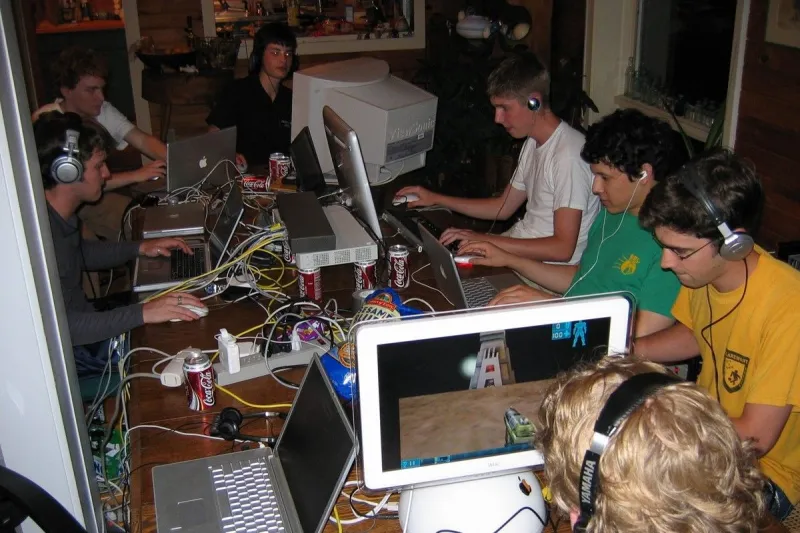
Photo: retro gaming LAN party old computers nostalgic, via i.pinimg.com
Game developers love to say features are 'sunset.' That's corporate-speak for 'deleted while you were asleep.' But here at Planet1337, we know the truth: if a community loves something hard enough, not even a patch notes document can kill it. Here are five features the devs buried and the fans dug right back up.
1. Legacy Matchmaking and the Private Server Renaissance
When publishers shut down official servers for older titles — looking at you, every 2008–2014 multiplayer game — the assumption was that the games were dead. The communities disagreed. Projects like community-run master servers have reconnected thousands of players to games whose official infrastructure got the axe.
Want in? Search for '[game name] + community server' or '[game name] revival project.' Most legacy servers are free to join, and if you're the ambitious type, our Server Building section has full walkthroughs on hosting your own.
2. Removed Maps and the Custom Content Underground
Every long-running game has that one map everybody loved that got rotated out for 'map pool health.' Counter-Strike players watched beloved maps vanish; Halo players still mourn maps that got delisted from matchmaking.
The fix? Custom servers and workshop collections. Steam Workshop is a graveyard of resurrected classics, and running a community map night is easier than ever. If you own a server, dedicating one evening a week to 'old heads only' maps is a guaranteed attendance boost. Nostalgia is the best retention mechanic ever shipped.
3. Old Balance Patches, Frozen in Amber
Some players don't want new content — they want the meta they fell in love with. That's why communities maintain legacy clients and modded builds that replicate older versions of games, complete with the janky balance everyone remembers fondly.
World of Warcraft Classic proved the demand so hard that Blizzard turned a fan wish into a subscription-printing product. If a multi-billion-dollar company can admit the old version slapped, you know the feeling is universal.
4. Cut Game Modes Living in Fan Mods
Remember when games shipped with weird, experimental modes? Capture the Flag variants, zombie infections, one-in-the-chamber? Publishers trimmed them for focus, and modders immediately re-added them.
Modding communities around games like Left 4 Dead 2, Garry's Mod, and Team Fortress 2 have spent years rebuilding removed modes and even features cut before launch. If you can run a dedicated server, you can run these mods — most require nothing more than a workshop subscription and a weekend afternoon.
5. The Fan-Patched Server Scene
The deepest level of devotion: when a game's servers die and the developer is gone, fans write their own patches. Community patches fix bugs, restore removed content, and sometimes add features the original devs never got to. Games like Star Wars Galaxies and City of Heroes live on entirely through fan-run emulators — no official support, no official servers, just pure community horsepower.
A word of caution: always check the legal gray areas before diving in. Fan servers exist in a patchwork of permissions, and the good ones operate transparently. Do your homework before you donate to any emulator project.
Want to Run One Yourself?
Good news: you don't need a data center in your garage. A modest home PC or a $10-a-month VPS can host a legacy server for most classic titles. Start small — one game, one mode, one Discord channel — and let word of mouth do the rest.
The devs may have moved on, but 'sunset' just means someone else gets to keep the lights on. Might as well be you.