The Afterlife Is a Chat Channel: Turn Eliminated Players Into Your Server's Studio Audience
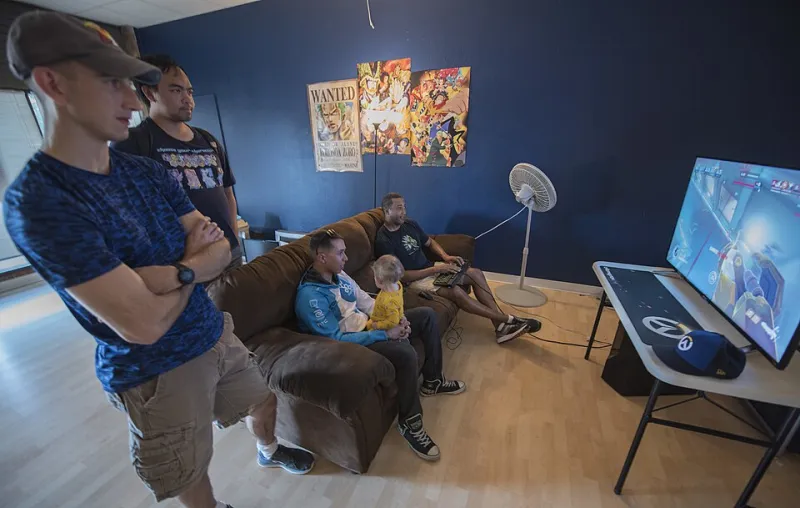
Photo: U.S. Air Force photo by Airman William Tracy, Public domain, via Wikimedia Commons
Every multiplayer lobby has a familiar crime scene: the round is still humming, but half your squad has already alt-tabbed. Somebody got clipped in the first thirty seconds, sighed into their mic, and vanished into the second monitor. In 2026, that quiet little exit is one of the biggest missed opportunities in server culture. Dead players are not dead weight. They are an audience with opinions, clips, and way too much free time.
Here at Planet1337, we have watched plenty of lobbies treat spectator mode like a broom closet: technically a room, nobody wants to be in it. But the servers that feel alive between rounds are usually the ones that give eliminated players something to do besides refresh Discord. The goal is not to trap people in a lobby. The goal is to make staying feel better than logging off.
Death Is Not a Logout Button
The average eliminated player has three problems: no agency, no information, and no reason to keep their headset on. Spectator mode often solves the first two badly and the third not at all. You float around, you watch somebody else take the shot you wanted, and the chat goes quiet except for one guy crunching chips directly into his mic.
That silence is a design failure, not a personality flaw. If the only thing waiting after death is a gray screen and a countdown, alt-tabbing is the rational move. If the server gives dead players a role, a running joke, and a scoreboard to argue about, they will stay. And a loud dead chat does something magical: it makes the living players feel like they are playing in front of people.
The Ghost Cam Is a Stage, Not a Spy Satellite
The first tool is a dedicated spectator view, often called a ghost cam. On servers that support observer tools, set up a camera that follows objectives instead of individual players. If you are running a Discord stream, use a short delay, usually thirty to ninety seconds depending on how competitive the lobby is. The delay is not there to be annoying. It is there to stop dead chat from becoming a tactical walkie-talkie for the other team.
Make the ghost cam feel intentional. Add a simple scorebug, a round timer, and a rotating camera operator. The cam op should be a spectator, not a moderator on duty, and the job should rotate every few rounds so nobody gets stuck doing it all night. A good ghost cam feels like NFL RedZone for your lobby: constant action, clear context, and just enough chaos to keep the chat typing.
Do not turn the ghost cam into a surveillance feed. If dead players can call out enemy positions, your competitive players will notice, and they will not be happy about it. Keep spectator chat separate from team chat, enforce the delay, and tell everyone the rules before the first match. Loud is good. Leaked intel is not.
Hand Out Jobs Like You're Running a Tiny Broadcast
Eliminated players stay engaged when they have a job, even a fake one. Think of your dead chat as a tiny broadcast crew. You need a color commentator to narrate the dumbest play of the round. You need a clip archivist to timestamp the moment somebody whiffed an ultimate at point-blank range. You need a stat scribe to track who has died first three rounds in a row. You need a hype ref to type 'HE IS STILL ALIVE' in all caps when the last player clutches.
These roles should be low-commitment and easy to rotate. Nobody wants to be assigned to a spreadsheet for an hour. A simple pinned message with three roles and a 'claim one' instruction is enough. At the end of the night, shout out the best clip hunter or the most unhinged commentator. Recognition is cheap, and it turns spectator mode into a place where people actually want their name to appear.
Low-Stakes Prediction Games Keep Dead Chat Loud
Prediction games are the easiest way to turn dead chat into a hangout. Keep them low-stakes, silly, and impossible to monetize. No real-money gambling, no loot-box nonsense, no betting your rent on a ranked lobby. Use points, nicknames, or cosmetic bragging rights.
A few formats that work:
- Next Objective Bingo: Will the next push hit A or B? Did somebody call it in chat first?
- Chaos Bingo: A grid of likely disasters: friendly fire, a failed ult, someone falling off the map, a support player clutching. First spectator to get a line wins.
- First Blood, Last Laugh: Predict which living player will get the next elimination, but only after the ghost cam delay has passed.
- Mystery Loadout: Dead players guess what the next round's weirdest weapon or strategy will be. The closest guess gets to pick the lobby's warm-up song.
Run the games in a dedicated spectator channel or a bot command, not in the main team chat. Make it clear that predictions are for fun and that living players should not use dead chat as a strategy feed. If your server has a competitive mode, keep prediction games opt-in and separate from ranked comms.
House Rules for the Afterlife
A spectator culture only works if it stays friendly. Write down three or four rules and pin them. No ghosting. No harassing eliminated players. No spoiling the result if you are watching a delayed stream. No backseat driving so intense that the last living player mutes everyone. Moderators should treat dead chat like any other community space: jokes are fine, dogpiling is not.
Also, give people an exit. Some players want to queue again immediately, some want to watch, and some want to log off and touch grass. A good server does not guilt-trip the last group. It just makes the middle group feel welcome.
The Server That Plays Together, Stays Together
When dead players stay loud, they become more than spectators. They become clip hunters, lore keepers, future moderators, and the people who make a lobby feel like a place instead of a matchmaking queue. The next time your round ends and chat goes silent, do not blame the players. Give them a camera, a silly job, and a bingo card full of impending disaster. The afterlife has a chat channel. Fill it up.